 Grandma's Recipes
  埼玉県
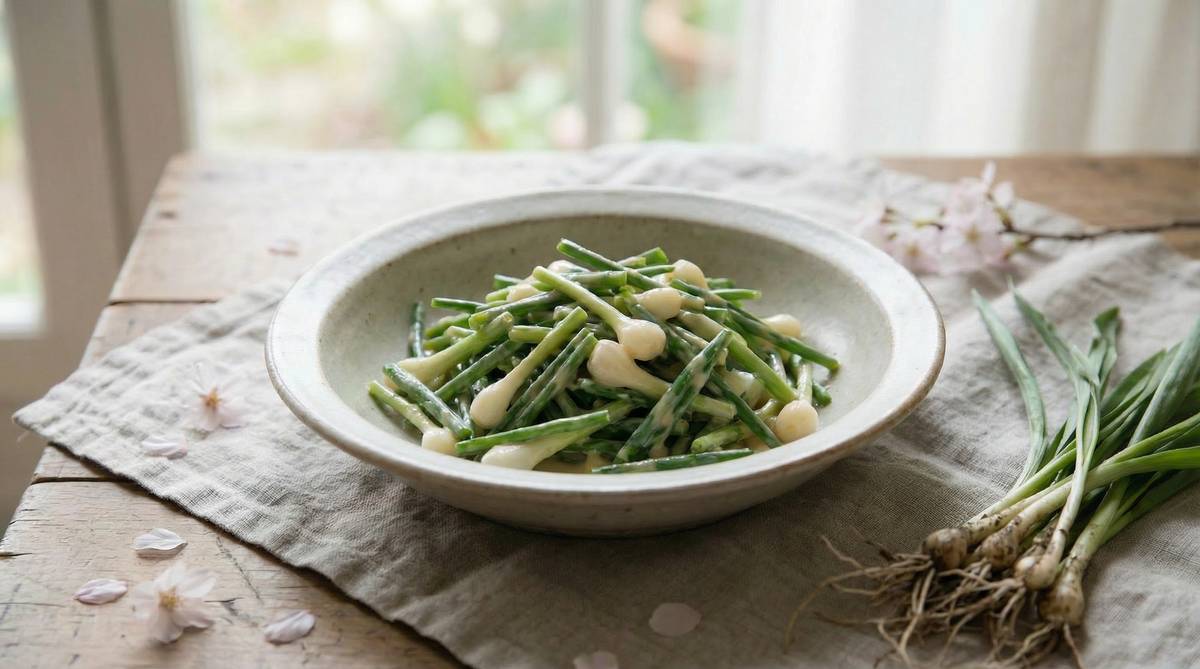
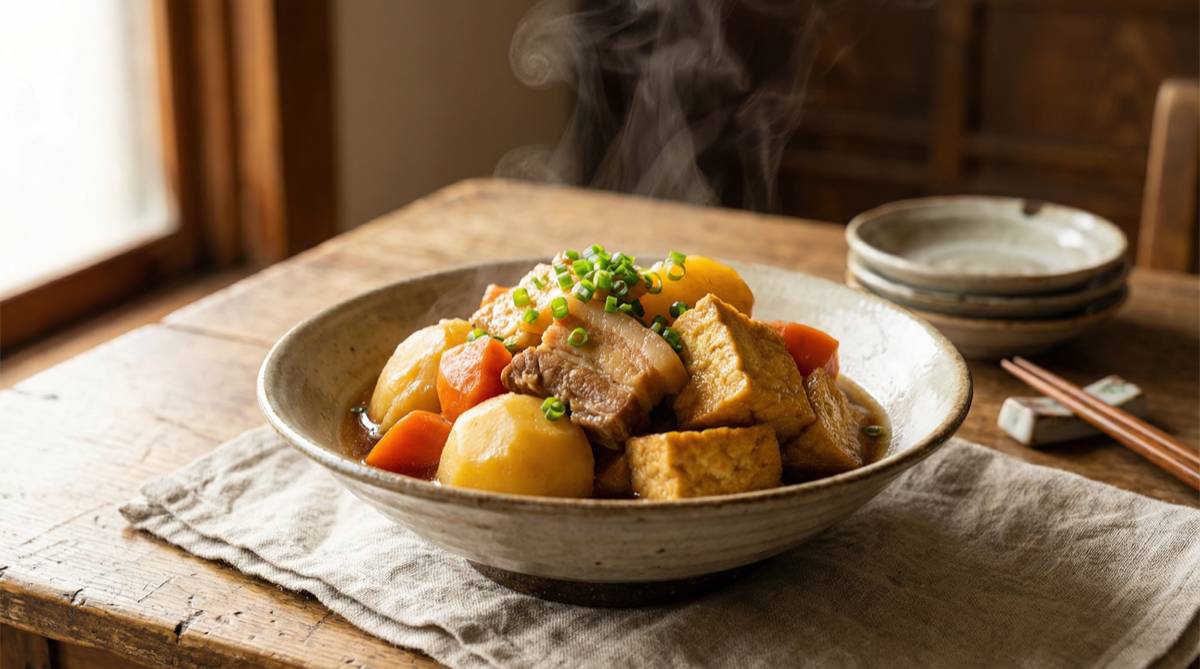
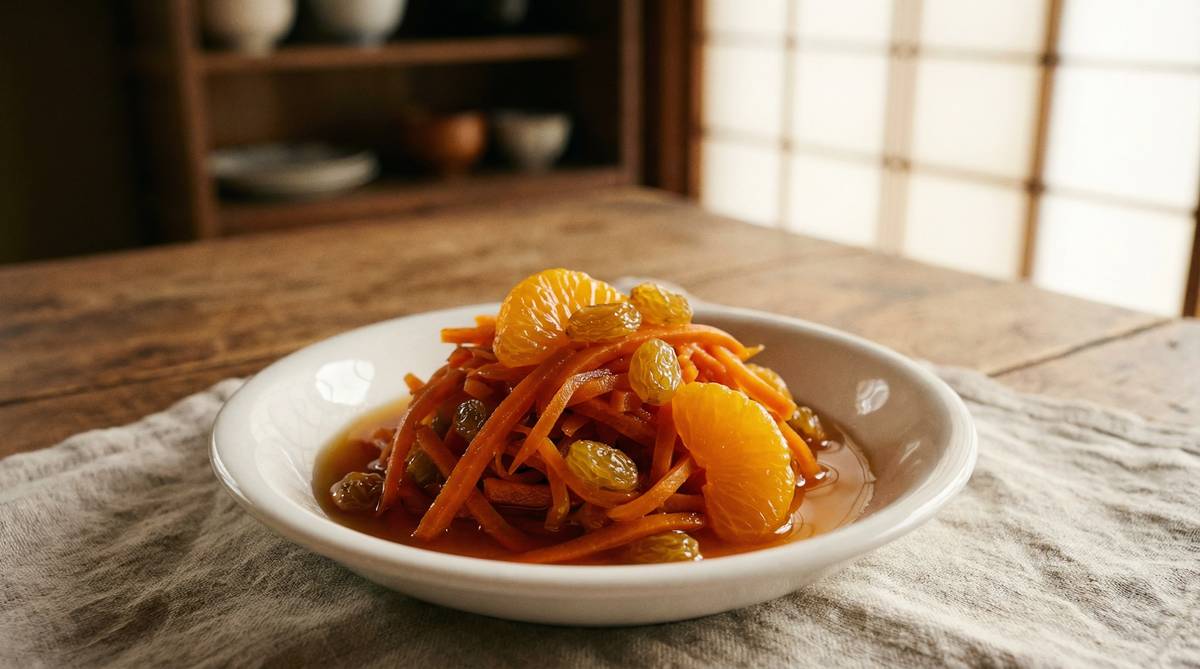
埼玉県 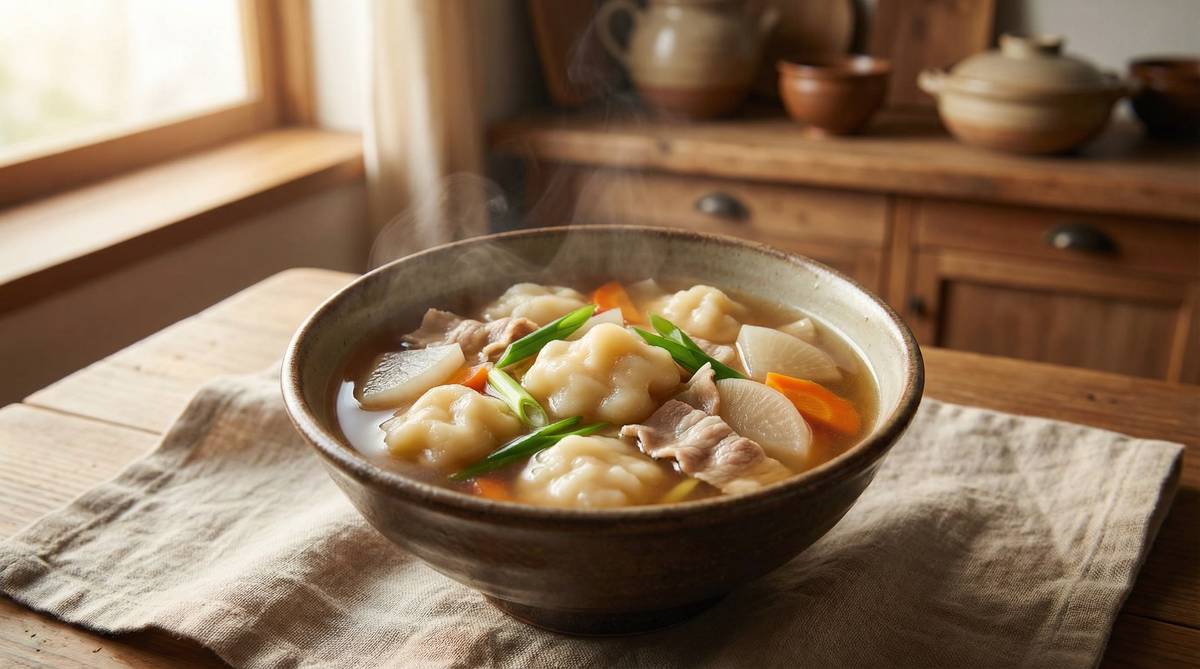 * Photo is for reference
 東京都 ⛄ Winter
Japanese Grandma's Flour Dumpling Soup (Suiton Jiru)
Suiton is one of Japan's oldest comfort foods - simple flour dumplings torn by hand and simmered in a savory broth with vegetables. Dating back centuries and widely eaten as a filling staple during wartime, this humble dish has been passed down through generations of Japanese grandmothers as the ultimate warming meal.
🧂 Ingredients
servings
* In traditional Japanese grandma cooking, measurements are approximate — think of them as guidelines rather than exact amounts.
| Dumpling Dough | |
| All-purpose flour | 150g |
| Water (for dough) | 70cc (Add gradually while kneading) |
| Soup | |
| Daikon radish | 適量 |
| Carrot | 適量 |
| Naga-negi (long green onion) | 適量 |
| Thinly sliced pork | 100g |
| Soy sauce | 大さじ2 |
| Dashi powder (instant) | 小さじ1 |
👩🍳 Instructions
- 1
Put the flour in a bowl and gradually add water while kneading by hand. When the dough is about as soft as an earlobe, set it aside to rest.
- 2
Boil water in a pot. Add the dashi powder, chopped vegetables, and pork, and simmer.
- 3
When the vegetables are tender, season with soy sauce.
- 4
Tear the rested dough into bite-sized pieces by hand and drop them into the simmering soup.
- 5
When the dumplings float to the surface and have simmered for about 5 minutes, they're done!
📖 Memories & Stories
I work in IT now, and when I come home late with no energy to cook, I remember this suiton. I can still picture grandma kneading the dough with her flour-covered hands. Even though there's nothing fancy in it, those chewy dumplings soaked in broth just make me feel so at ease.
Source: Written from memory (Submitted by: あいみぃ)
🍽 Cultural Background
Suiton has been eaten in Japan since the Muromachi period (14th-16th century) and was widely consumed as a rice substitute during wartime. Despite its simple preparation - just flour and water dough dropped into broth - it goes by many regional names: 'hittsumi' in Iwate, 'hatto' in Miyagi, and 'dago-jiru' in Kyushu, each reflecting unique local food traditions.