 Grandma's Recipes
 Memories of Grandma's Kitchen | The Small Chair That Held a World of Warmth
It wasn't just a place to cook -- it was where people gathered
Looking back, there was always a chair in grandma's kitchen. Small, old, its wooden seat worn smooth. Tucked in a corner by the sink or near the refrigerator. What was that chair for?
Looking back, there was always a chair in grandma's kitchen.
Small, old, its wooden seat worn smooth.
Tucked beside the sink or in front of the refrigerator, always perched quietly in a corner.
What was that chair for?
This is a story about tracing the memories held by a small chair in grandma's kitchen.
If the thought of your grandmother's kitchen makes your chest tighten just a little -- this is for you.
Kitchens Are Meant for Standing
Think about it: kitchens are designed for standing.
Counters, sinks, and stoves are all built at standing height.
Modern kitchens have no room for a chair.
Everything is engineered for efficiency. Refrigerator, sink, stove -- arranged in the optimal "work triangle."
But grandma's kitchen wasn't designed that way.
It existed not for efficiency, but for living.
Why There Was a Chair
Picturing grandma sitting in that chair, several scenes come to mind.
First: waiting for food to finish cooking.
Sitting by the pot on low heat, half-listening to the television.
Simmered dishes cannot be rushed. You just wait, listening to the gentle bubbling.
That waiting time required a chair.
Second: preparing vegetables.
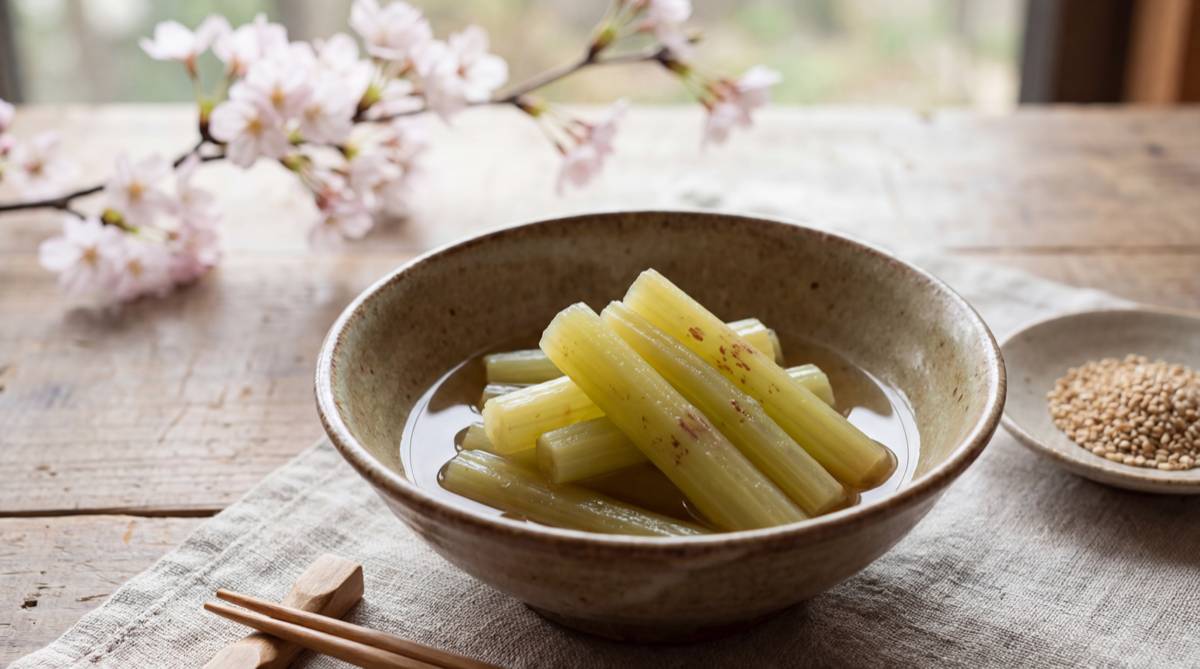
Peeling the strings from butterbur. Snapping the ends off beans. Peeling taro.
All time-consuming, quiet handwork.
Too long to do standing, so she sat down, placed a bowl on her lap, and worked in silence.
And third: talking with someone.
The Kitchen Was the Living Room
In grandma's house, the boundary between kitchen and living room was blurred.
Grandma was in the kitchen from morning to night.
Preparing breakfast, cleaning up, starting lunch prep, setting out snacks, making dinner.
She spent most of her day there, so naturally, anyone who wanted to talk to her came to the kitchen.
Grandpa would come in saying "Tea."
The neighbor lady would appear with "Here, someone gave me these" and a bag of vegetables.
Grandchildren would wander in whining "I'm hungry."
All of it happened in the kitchen.
What country grandmothers ate every day -->
So of course there needed to be a chair.
You can't leave a visitor standing. And you can't have small children underfoot near the stove.
"Sit down right there" -- and she'd push that chair toward them.
Before being a place to cook, the kitchen was a place where people gathered.
The Smell of Simmering Food
Perhaps people gathered in grandma's kitchen not only because grandma was there.
There was the smell of simmering food.
The sweet-savory steam of soy sauce, sugar, and mirin mingling together.
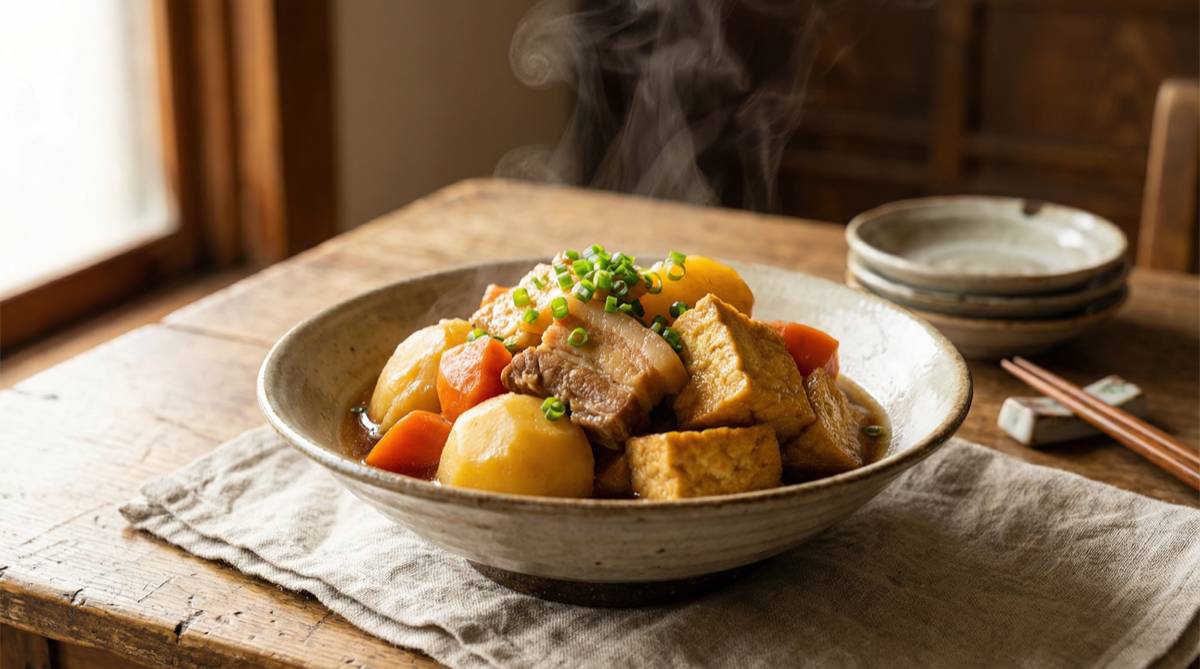
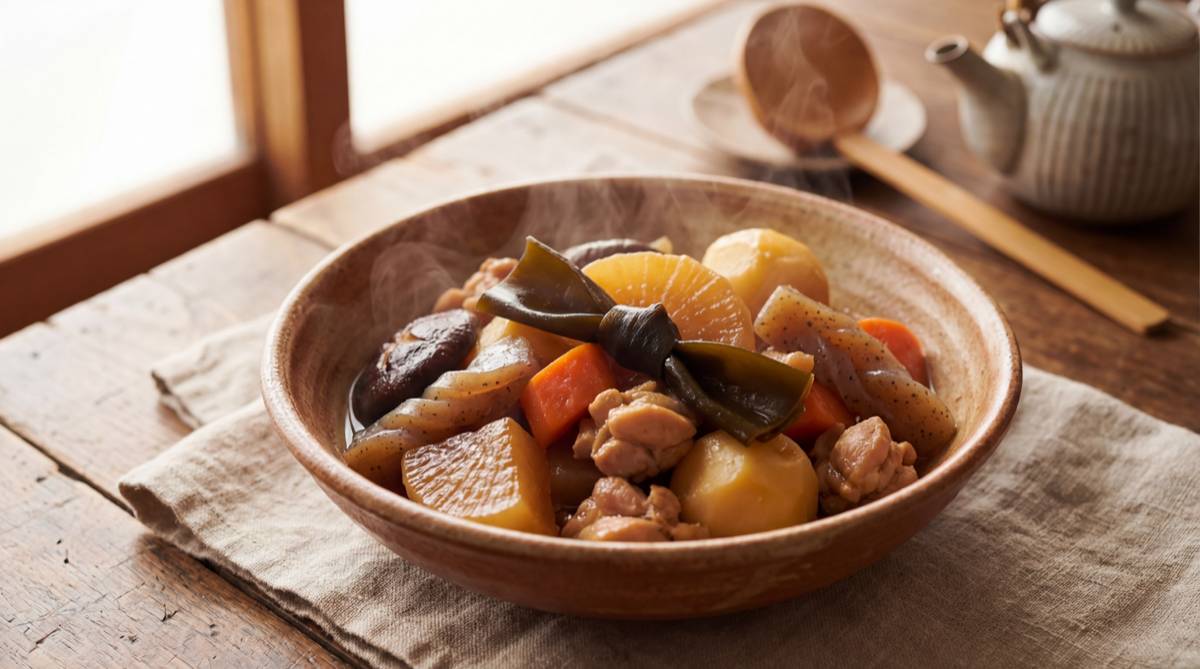
Gameni bubbling away. Nikujaga. Gottani stew.
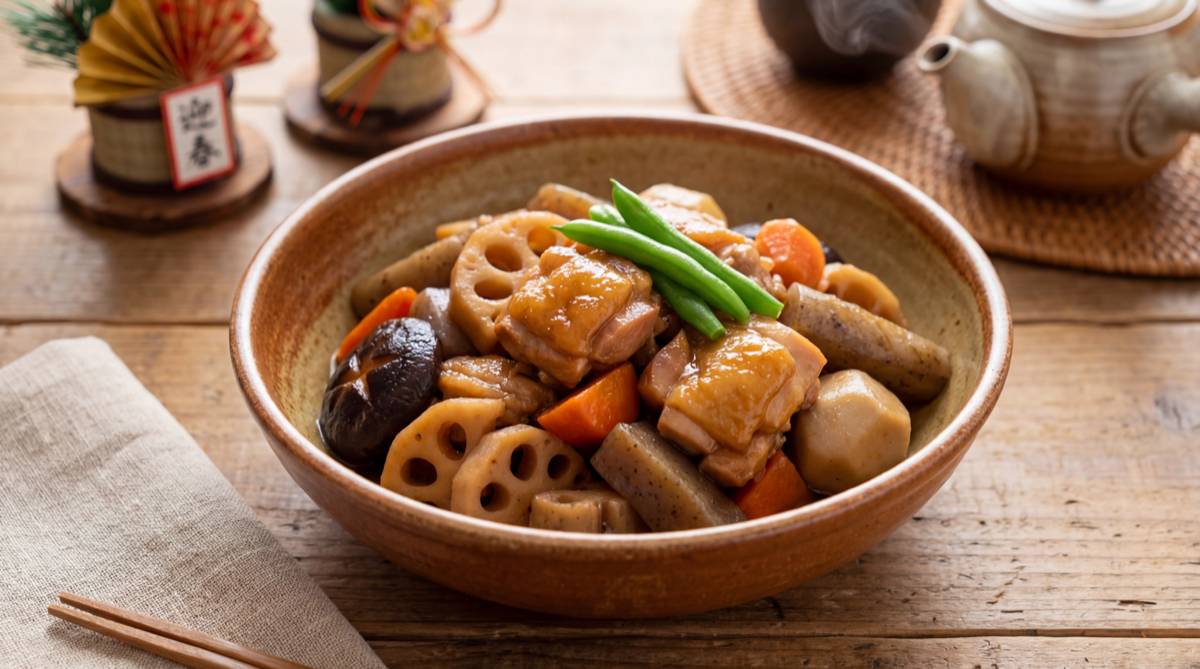
That aroma drifted from the kitchen into the living room, down the hallway, through the entire house.
You knew "she's cooking something." And that alone drew your feet toward the kitchen.
Modern homes are well-sealed, with powerful ventilation fans that whisk cooking smells away.
Convenient, yes -- but that experience of being drawn to the kitchen by smell may be fading.
A Grandchild's Front-Row Seat
As a child, that kitchen chair was my VIP seat.
Sitting on it, I was exactly at eye level with grandma's hands.
The sound of the knife cutting vegetables. The way she dissolved miso. The gesture of lifting a pot lid just slightly to peek inside.
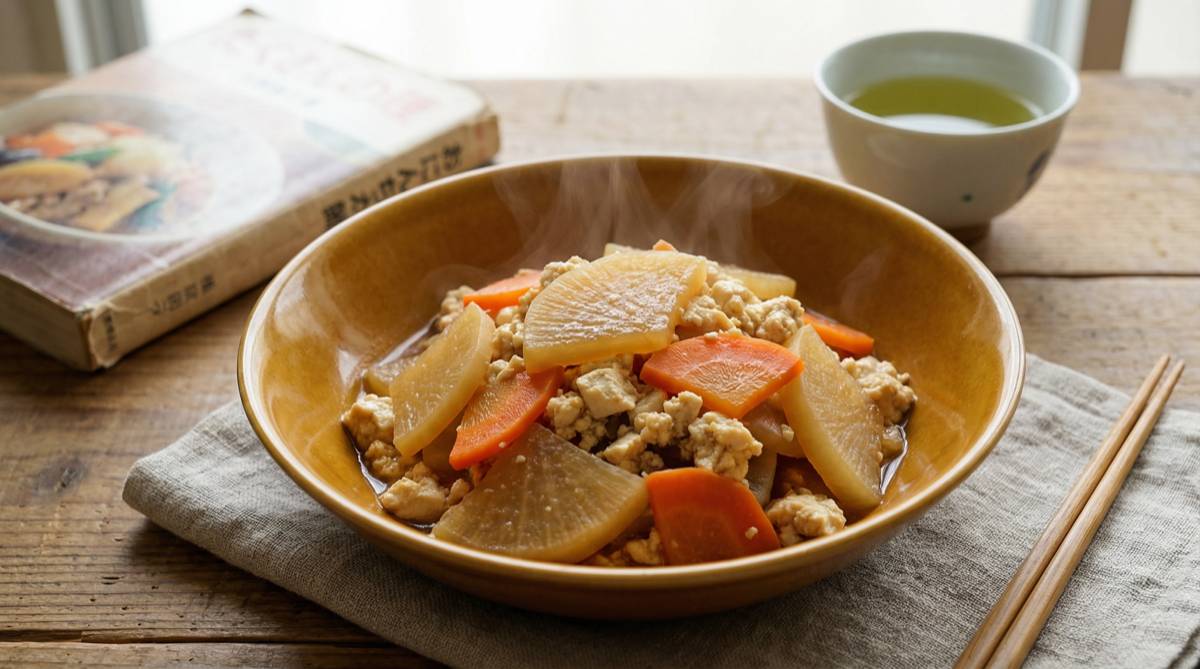
"What's that?" I'd ask. "Daikon," she'd reply.
"Why are you peeling it?" "Because the skin is tough."
She never gave elaborate lessons.
But the time spent watching from that chair became the foundation of all my cooking memories.
Recipes can be passed down through words, but technique can only be learned by watching up close.
The volume of simmering sounds, the pressure when dissolving miso, the subtle shift in smell just before something burns.
Those things could only be learned from that chair.
The science behind grandma's intuitive cooking -->
"Have a Taste"
Sometimes grandma would scoop a bit of broth into a small dish and hold it out.
"Have a taste."
Looking back, what use was a child's palate? But grandma waited with a serious face.
"It's good," I'd say, and she'd smile "Is that so?" and add a bit more sugar.
She was going to decide by her own judgment anyway.
But that "have a taste" wasn't really about the flavor.
It was her way of including me in the cooking. Making me feel like "you're helping too."
That single taste was the gateway to all my memories of "grandma's flavor."
Modern Kitchens Have No Chairs
System kitchen designs don't include "a place for someone to sit."
Even with a counter island, it separates the one who serves from the one who eats.
Sitting together, watching the same pot, listening to food simmer in companionable silence -- that closeness isn't in the blueprints.
Of course, modern kitchens aren't bad.
They're functional, clean, and efficient.
But what that chair represented was something slightly different.
The Kitchen Was Someone's "Place"
Grandma's kitchen chair was never a cooking tool.
It was a chair for waiting while food simmered.
A chair for peeling vegetables.
A chair for neighbors to rest on.
A chair for grandchildren to watch the cooking from.
Having a chair in the kitchen meant: "It's okay for someone to be here."
An efficient kitchen has no need for a place to belong.
But grandma's kitchen had one.
The seat was worn smooth because so many people had sat there.
Dishes Born from This Kitchen
If you want to recreate grandma's flavors in your own kitchen --
the dishes you watched from that little chair, now made by your own hands.