 Grandma's Recipes
 7 Easy Japanese Recipes for Solo Living | Grandma's Comfort Food for One
You can almost hear her saying "Make sure you eat properly" from the kitchen
Convenience store bento and instant noodles have their place, but sometimes what you really crave is the taste of grandma's cooking. As it turns out, traditional Japanese home recipes are perfectly suited to cooking for one.
Convenience store bento and instant noodles are fine.
On busy days, they do the job.
But on quiet evenings, what comes to mind is the smell of grandma's kitchen.
The steam rising from miso soup, the gentle bubbling of a simmering pot.
What if you could make those dishes, just for one?
As it turns out, "grandma recipes" are ideally suited to the solo kitchen.
Why Grandma's Recipes Work for Solo Living
Grandma's cooking shares certain universal traits:
Simple ingredients
No exotic spices or specialty items.
Soy sauce, miso, sugar, sake, mirin.
With these five, you can make almost anything.
No special equipment needed
One frying pan, one small pot.
More than enough for a tiny apartment kitchen.
"Roughly" is good enough
Grandma's recipes never called for "180ml" or "2/3 teaspoon."
"About this much" and "when it looks right."
For single portions, eyeballing is actually easier and more practical.
Here are seven dishes that will comfort you on solo evenings.
1. Miso-Glazed Eggplant -- For Nights When You're Too Tired to Think
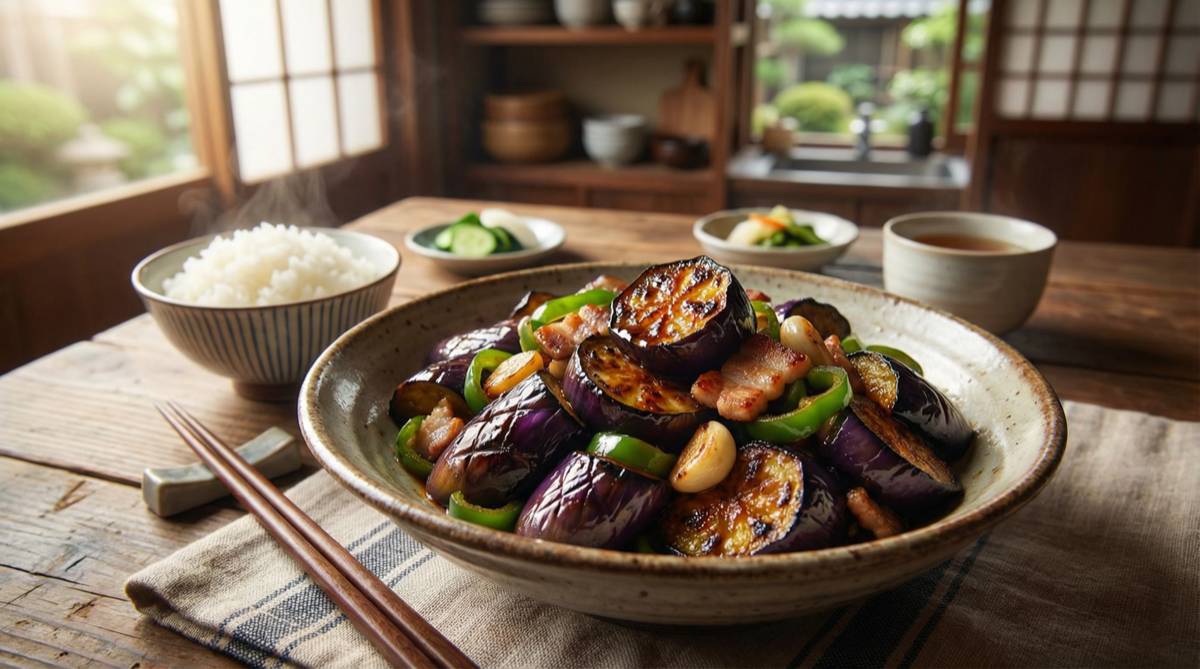
Ready in 5 minutes, this is the ultimate solo dinner.
Slice eggplant, stir-fry in oil, coat with miso sauce. Done.
The way eggplant absorbs oil and turns silky -- that is something a microwave simply cannot replicate.
The miso sauce is equal parts miso, sugar, and sake.
Grandma would have called this "just mix it together."
Pile it on rice and you have a proper rice bowl.
The more exhausted you are, the more this dish hits home.
2. Tea Porridge (Chagayu) -- For Tired Stomachs and Late Nights
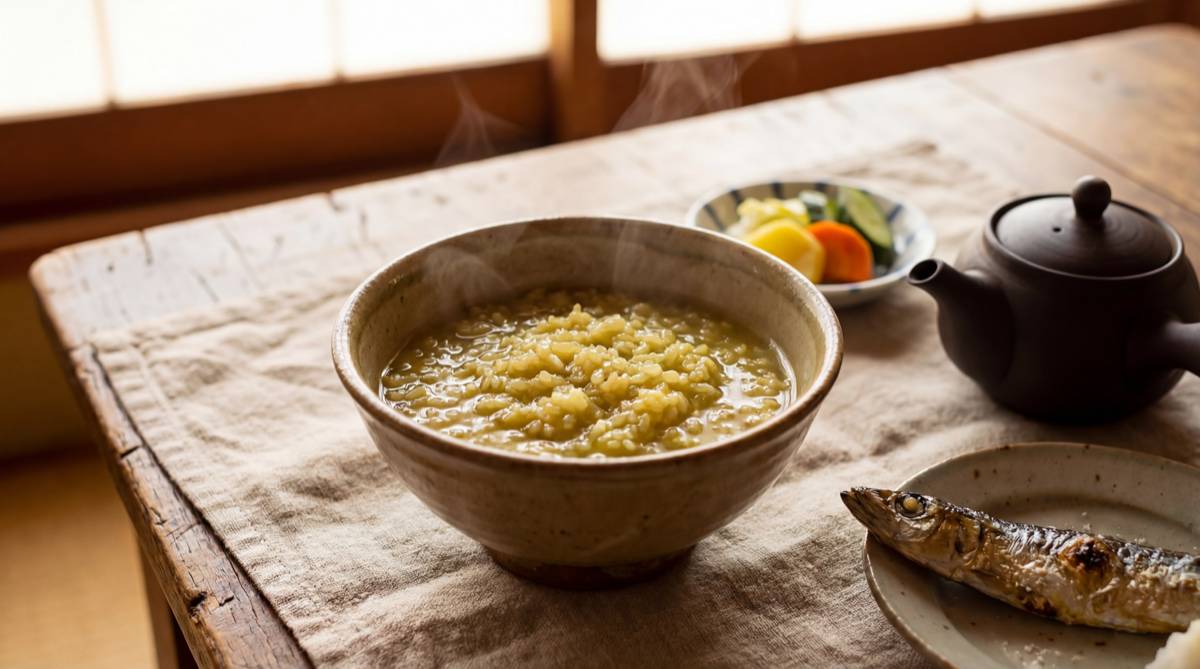
Rice cooked in roasted barley tea -- the ultimate in simplicity.
Grandmothers in Wakayama and Nara ate this nearly every morning as their daily staple.
All you need is leftover rice and a roasted tea bag. Ready in under 10 minutes.
Its light, silky texture is perfect after a night out or when you have no appetite.
The secret: just one small pinch of salt.
That alone transforms the tea's aroma.
3. Isobe-Yaki Rice Cake -- For Late-Night Snack Cravings
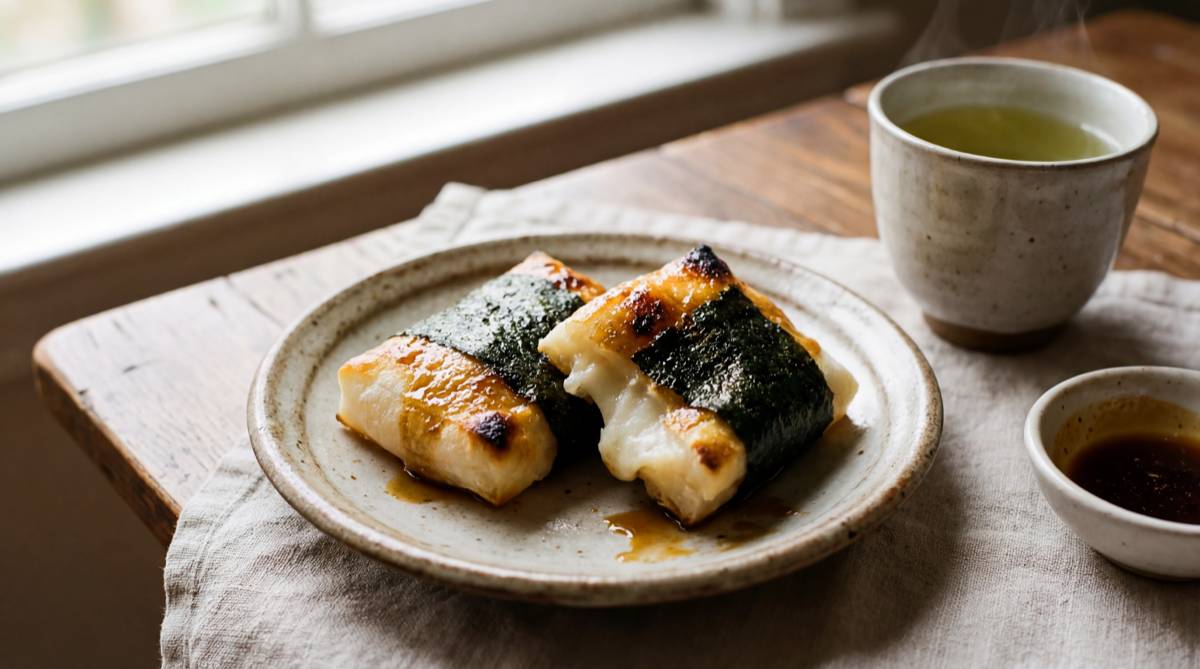
The ingredients: rice cake, nori seaweed, soy sauce. That's it.
Grill the rice cake in a pan or toaster, dip in soy sauce, wrap in nori.
Somehow, eating this late at night makes it taste incredible.
At grandma's house, this appeared every winter.
Perhaps made from leftover New Year's rice cakes, but that simple, satisfying flavor transcends seasons.
Since packaged rice cakes store at room temperature for months, they're perfect pantry staples for solo living.
4. Ginger Sweet-Savory Rice Bowl -- For Days When You Want Something Hearty
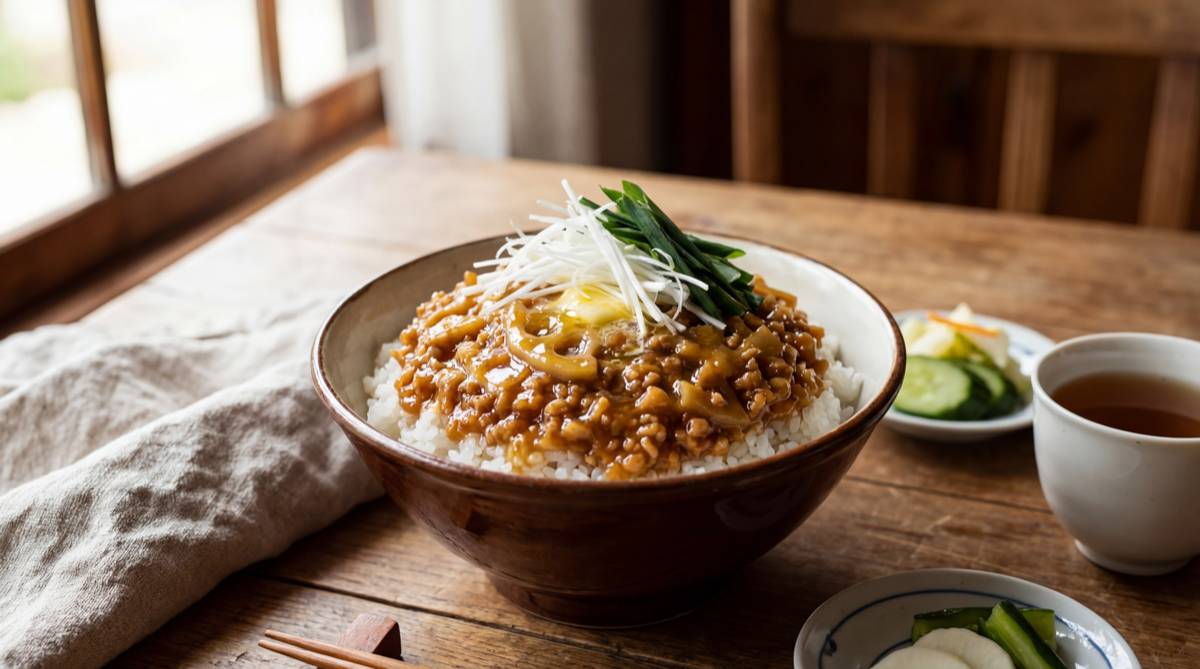
A Fukushima grandma's creation: ginger simmered in a sweet-savory glaze, piled generously on rice.
The ginger's heat and the salty-sweet sauce make white rice irresistible.
For one serving, a single knob of ginger is all you need.
Julienne it, simmer with soy sauce, sugar, and mirin until the liquid evaporates.
Perfect for those "I want a real meal but can't be bothered to go buy meat" evenings.
There's usually a piece of ginger lurking somewhere in your fridge, so you can make this on impulse.
5. Nikujaga (Meat and Potatoes) -- For a Leisurely Weekend Cook
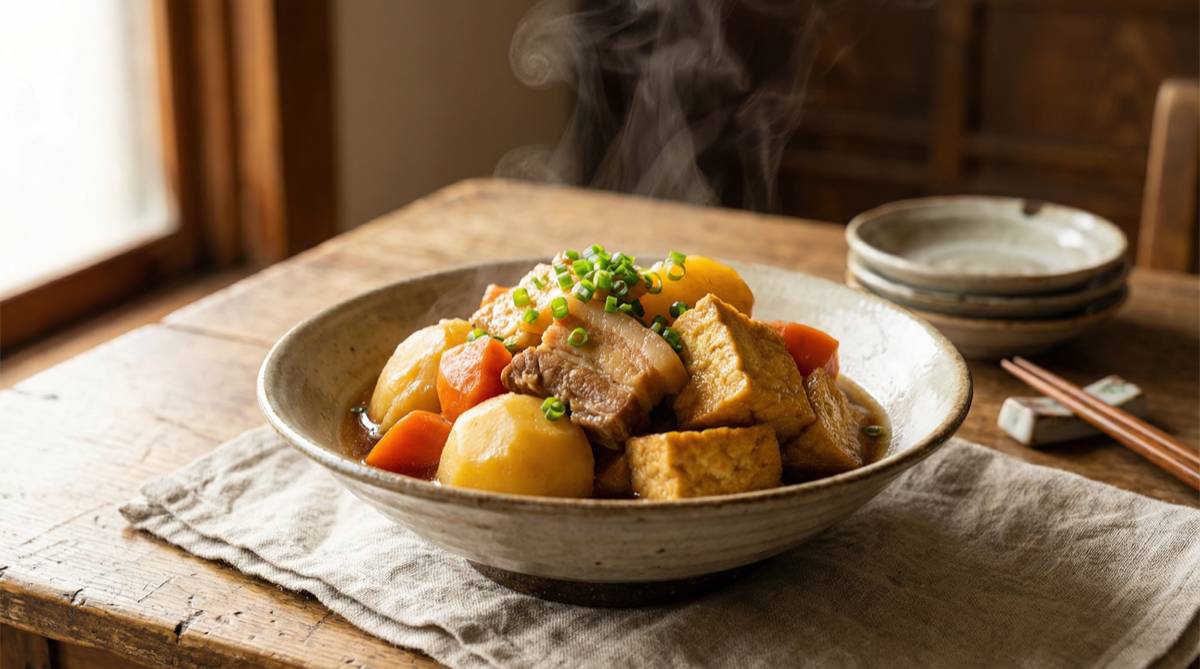
Make nikujaga for one and you'll get 2-3 meals out of it. This is the beauty.
Simmer it on a Sunday evening, eat it that night and pack the rest for tomorrow's lunch.
It actually tastes better the next day as the flavors deepen.
Grandma probably said, "Nimono tastes best the day after."
Tip: cut the potatoes large.
Small pieces fall apart in a single-serving pot and turn to mush.
Then low heat, patience, no rushing.
6. Kencho (Daikon and Tofu Stew) -- For Days When You Need More Vegetables
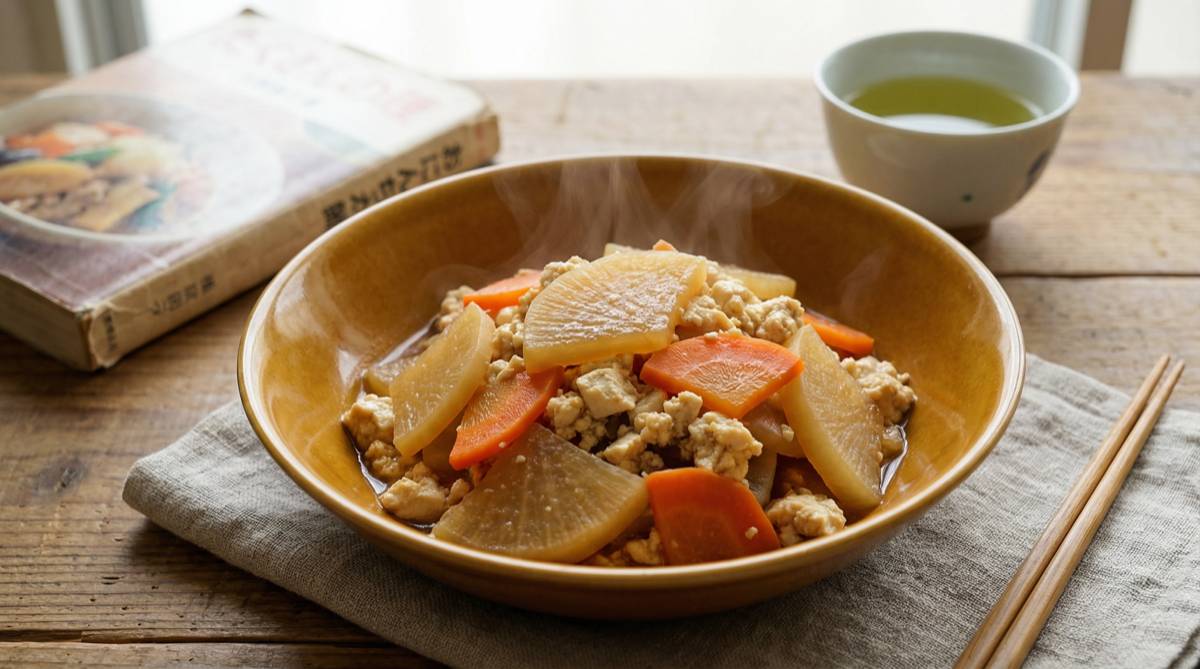
A daily staple from Yamaguchi grandmothers -- a simple stew of daikon radish and tofu.
Similar to kenchinjiru soup but with less broth.
Daikon, carrot, tofu. All affordable, everyday ingredients.
The grandma technique: crumble the tofu by hand as you add it.
The broken tofu absorbs the broth and develops an indescribably comforting depth.
The perfect ally for solo dwellers worried about their vegetable intake.
It tastes like a warm hug.
7. Imo-Mochi (Sweet Potato Mochi) -- For When You Want a Homemade Treat
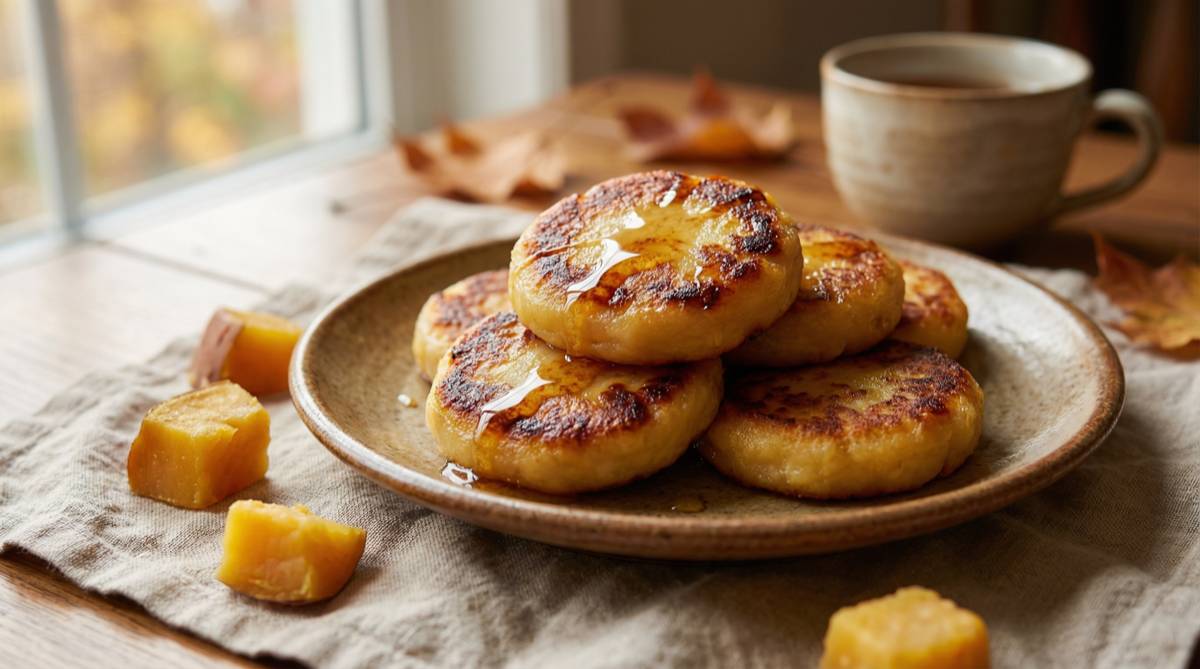
Steam sweet potato, mash it, mix with potato starch, and pan-fry.
That's all it takes to make these wonderfully chewy, rustic treats.
Convenience store sweets are fine, but something you made with your own hands brings a different kind of satisfaction.
No added sugar needed -- the natural sweetness of sweet potato is more than enough.
Grandma always made snacks from "whatever was around."
One sweet potato in the fridge becomes a proper treat.
Perfection Is Not Required
Recreating grandma's cooking doesn't mean following a recipe to the letter.
Too much miso in the stir-fry? Tea porridge too watery? That's fine.
Grandma cooked "roughly" every time too.
Getting the amounts wrong won't ruin it.
In fact, "a bit too salty today" is part of what makes home cooking enjoyable.
What matters is turning on the stove.
That alone makes for a different kind of evening than opening a convenience store container.